Looking for BJJ in Sydney? Kings Academy offers professional Brazilian Jiu Jitsu training in Moorebank, welcoming beginners through to advanced students from across Liverpool and South West Sydney.
Whether you’re starting BJJ for the first time or looking to take your training to the next level, our Sydney-based academy focuses on technique, fitness and real self-defence. Call 0416 598 211 or visit us in Moorebank to get started today.
What Is Brazilian Jiu-Jitsu?
Brazilian Jiu-Jitsu (BJJ), also known as the “gentle art”, is a martial art based on ground control, leverage, and technique rather than size or strength. It focuses on submissions, joint locks, and positional dominance — teaching you how to control and overcome an opponent efficiently and safely.
Perfect for self-defence, competition, and overall fitness, BJJ challenges both your body and mind. It builds problem-solving skills, resilience, and awareness, making it one of the most rewarding martial arts you can learn.
Why Train at Kings Academy BJJ Sydney?
At Kings Academy, we provide high-level Brazilian Jiu Jitsu training in Sydney, teaching authentic Machado BJJ under experienced instructors who focus on technique, safety and long-term development.
What sets Kings Academy apart:
- Official
Carlos Machado Jiu Jitsu Affiliate
- Classes for kids, teens, adults, and women
- Expert instruction from a fifth-degree black belt
- Clean, fully equipped facilities with a supportive team culture
- Located conveniently in Moorebank, serving Liverpool and Western Sydney
Train with a community that motivates you to reach your full potential on and off the mat.
BJJ Classes for All Ages and Levels
We offer BJJ classes in Sydney for all age groups and experience levels, ensuring everyone can learn at their own pace:
- Children (3–5 years): Focused on fun, balance, and discipline through playful techniques.
- Juniors (6–12 years): Builds coordination, respect, and self-confidence.
- Teens (13–15 years): Develops strong fundamentals and situational awareness.
- Adults (16+ years): Comprehensive BJJ training for fitness, technique, and competition.
- Women’s Only BJJ Classes: Safe and empowering sessions that focus on self-defence, strength, and flexibility.
Each program blends technical skill-building with fitness and mindset development, suitable for complete beginners to advanced practitioners.
What You’ll Learn in Our BJJ Training
Our Brazilian Jiu Jitsu classes in Sydney focus on practical skills you can apply on the mat and in real-life situations. You’ll learn:
- Submission techniques including chokes and joint locks
- Positional control such as guard, mount and side control
- Escapes and defensive strategies
- Takedowns and transitions
- Competition and sparring techniques
Every class is structured to help you improve consistently, whether you’re training for fitness, self-defence or competition.
BJJ for Beginners in Sydney
Starting Brazilian Jiu Jitsu can feel intimidating, but our Moorebank academy is beginner friendly and supportive from day one. You don’t need any prior experience or fitness level to get started.
Our coaches guide you step-by-step through the fundamentals, helping you build confidence, improve fitness and learn at your own pace.
If you’re searching for beginner BJJ in Sydney, Kings Academy is the perfect place to start.
Conveniently Located for BJJ in Sydney
Our BJJ gym in Moorebank is easily accessible for students across Liverpool, Bankstown, Fairfield and the wider South West Sydney region.
If you’re looking for a BJJ gym in Sydney with a strong community and expert coaching, Kings Academy is just a short drive away.
The Benefits of BJJ Training
Training Brazilian Jiu-Jitsu in Sydney at Kings Academy goes beyond physical fitness. It’s a complete workout for body and mind. You’ll experience:
- Full-body strength and endurance development
- Improved coordination, flexibility, and balance
- Enhanced problem-solving and mental focus
- Stress relief and better emotional control
- Connection to a supportive, like-minded community
Every class builds resilience, discipline, and the ability to stay calm and strategic in challenging situations, both on and off the mat.
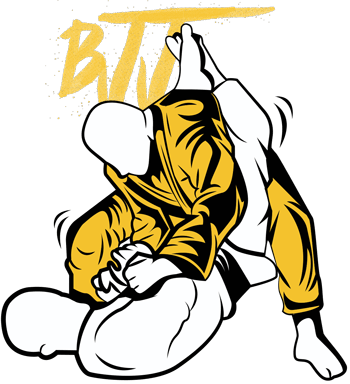
Fourth-Degree Brazilian Jiu-Jitsu Black Belt
FAQs About BJJ in Sydney
Train at Sydney’s No.1 Brazilian Jiu-Jitsu Academy
Join the Kings Academy BJJ community and experience the art that changed martial arts forever. Our programs blend traditional technique with modern coaching methods to help every student grow confidently. Whether your goal is fitness, self-defence, or competition, you’ll find a supportive and motivating space here in Moorebank.

